Dreaming about a second home where the beach, shops, and dinner plans are all just a short walk away? Buying a vacation home in Rosemary Beach can be exciting, but it also comes with details that deserve careful attention. If you want a home that fits your lifestyle, guest needs, and possible rental goals, the right due diligence matters. Let’s dive in.
Understand the Rosemary Beach Layout
Rosemary Beach is designed differently than many coastal communities. It is a gated, pedestrian-oriented neighborhood built around footpaths, boardwalks, and alley-access parking, with much of the community reachable in about a five-minute walk.
That design creates a very specific lifestyle. You have nine dune walkovers for beach access, and cars are generally restricted to alleyways behind homes. If you are considering a purchase here, it helps to picture your daily routine on foot or by bike rather than by car.
Another important point is mobility. Golf carts, ATVs, LSVs, motor scooters, and similar off-street vehicles are not allowed in the community. For many buyers, that adds to the quiet, walkable feel, but it is still a lifestyle choice worth thinking through before you buy.
Compare Property Types Carefully
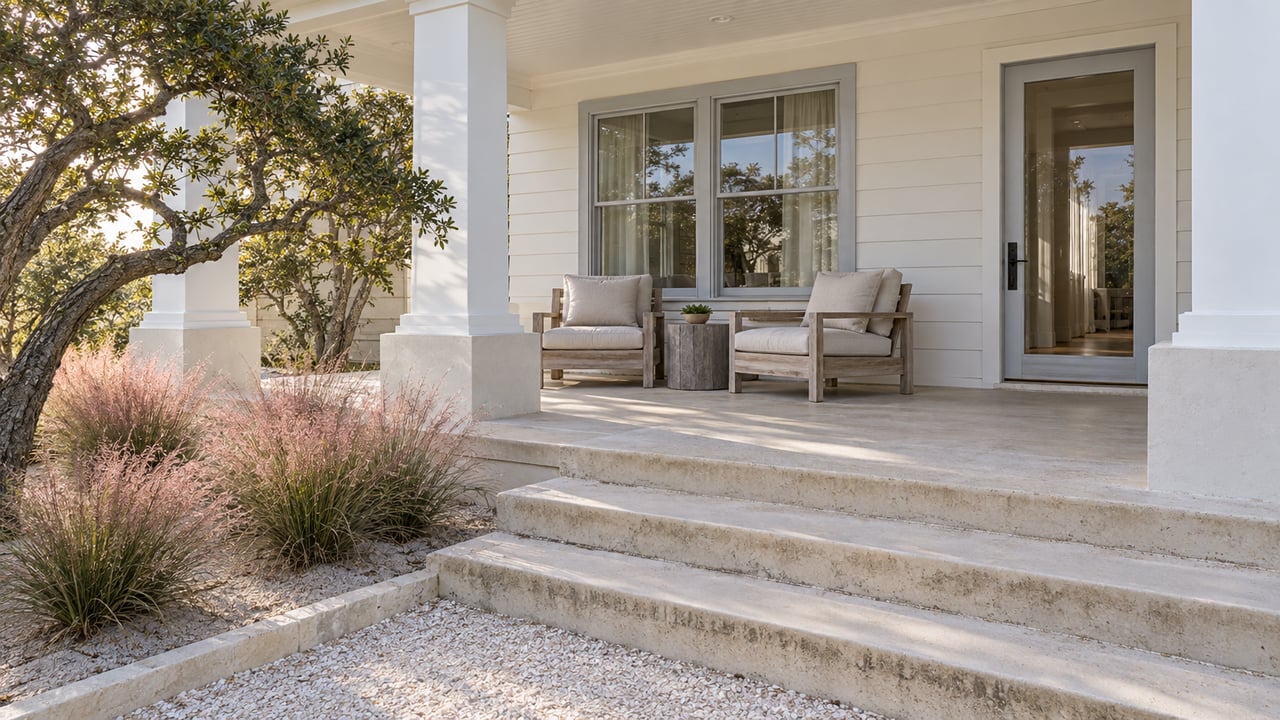
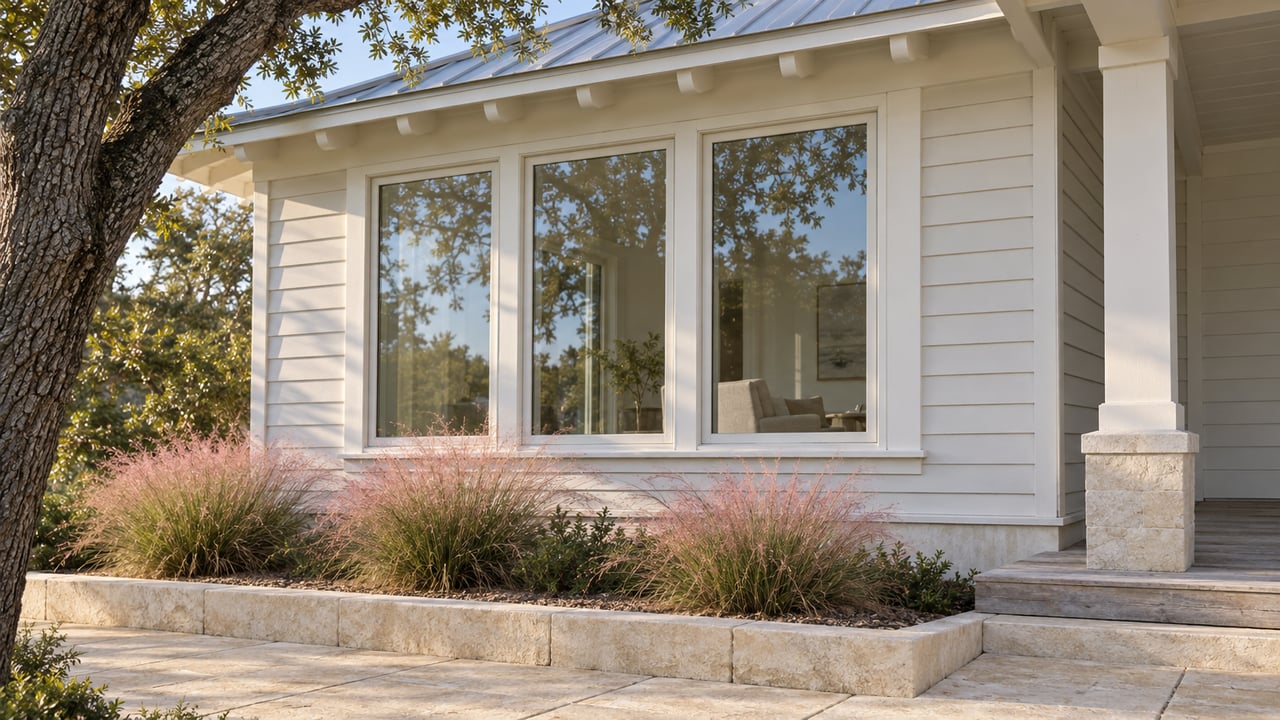
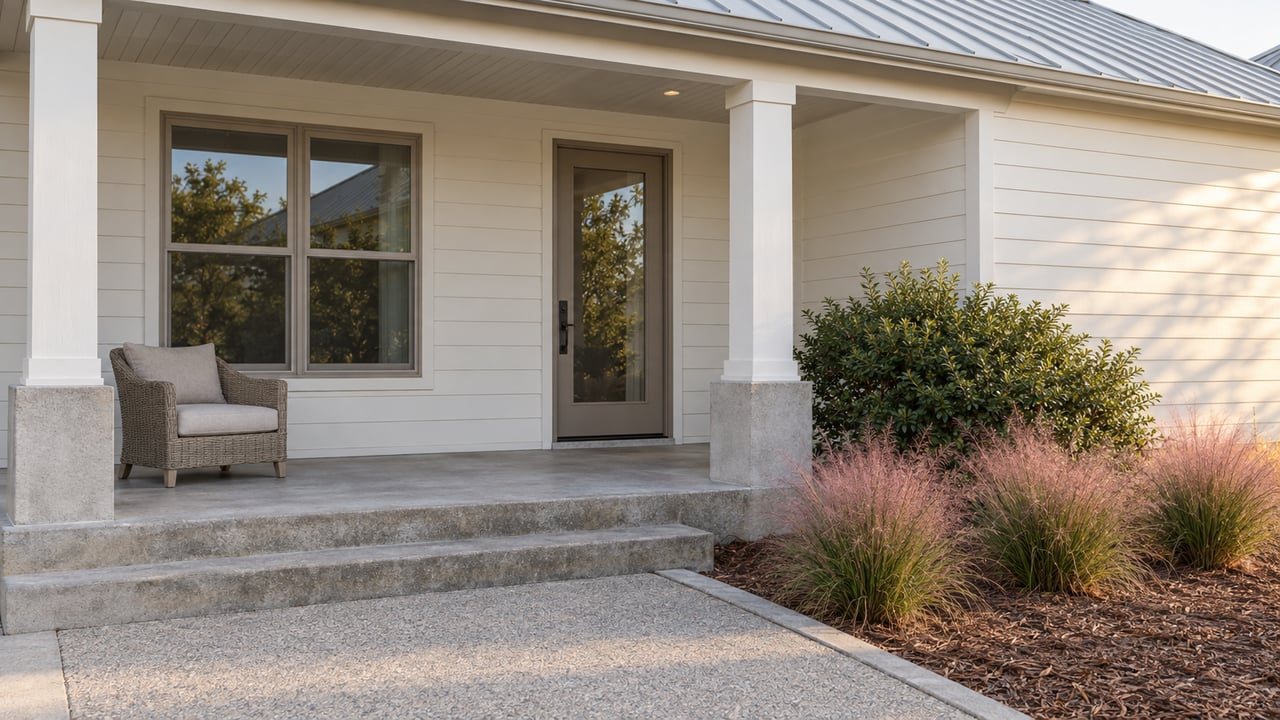
Rosemary Beach is not a one-style-fits-all market. The community includes 12 basic building types along with custom homes, with architecture influenced by St. Augustine, the West Indies, New Orleans, and Charleston.
That variety means your decision is about more than square footage. You may be comparing cottages, carriage houses, Gulf-front homes, Gulf-view homes, or larger homes with private outdoor spaces.
A compact cottage or carriage house may work well if you want lower-maintenance second-home living. A larger home with multiple bedrooms, porches, a courtyard, or a private pool may be a better fit if you plan to host larger groups or use the property often with extended family and friends.
Focus on Micro-Location
In Rosemary Beach, small location differences can have a big impact on how a home feels in daily use. Even though the community is highly walkable, some properties are closer to the beach, Cabana Pool, or Town Center than others.
Before writing an offer, confirm the home’s exact distance to the nearest beach walkover and to Town Center. A property may still be walkable while feeling very different in terms of convenience for morning beach trips, dining out, or everyday errands.
Guest flow matters too. If you expect friends, family, or future renters to use the home regularly, a more convenient location within the neighborhood can shape the overall experience.
Match the Home to Your Use
One of the most important questions is simple: how do you really plan to use the property? A vacation home can serve as a personal retreat, a gathering place for guests, a rental property, or some combination of all three.
That is why layout matters as much as location. Think about bedroom count, privacy between sleeping areas, outdoor space, pool features, parking, and how easy the home will be to maintain when you are not in town.
If you want low-effort ownership, a smaller property may check the right boxes. If you want flexibility for larger groups, you may need more space and features, even if that means higher carrying costs.
Know the Tax Picture
If you are buying a true vacation home, do not assume it will qualify for a homestead exemption. In Walton County, homestead exemption generally requires the owner to occupy the property as a primary residence and establish residency as of January 1, with a filing deadline of March 1.
For second-home buyers, that distinction matters because it can affect your long-term ownership costs. A property that serves mainly as a vacation home or rental property usually should be evaluated without counting on primary-residence tax treatment.
If you plan to rent the home, there are additional tax considerations. Florida charges a 6% state sales tax, and Walton County’s South Walton district applies a 5% tourist development tax to rentals south of Choctawhatchee Bay, which includes Rosemary Beach ZIP code 32461.
Budget for Registration and Compliance
Short-term rental use in Walton County comes with specific local rules. The county requires a Short-Term Vacation Rental Certificate for homes rented more than three times in a calendar year for periods under 30 days, or homes otherwise advertised as regularly rented.
Walton County also charges an annual short-term vacation rental registration fee of $300 per structure. That fee should be part of your ownership budget if rental use is part of your plan.
The county also points owners to Florida Department of Revenue registration and, when applicable, a lodging license through the state. If rental income is part of your decision, it is wise to review these steps before closing rather than after.
Review Rental Rules Before Buying
A home that seems perfect on paper may not work as well once rental rules are factored in. Walton County requires a locally available responsible party who can be reached 24/7, respond within one hour when needed, and monitor compliance.
Rental agreements and on-site postings must also include certified occupancy, parking limits, noise rules, trash procedures, emergency evacuation language, and the certificate number. Advertising must match the certified occupancy and parking details as well.
This is why it is important to base rental projections on the exact property, not just the Rosemary Beach name. Some homes also have property-specific minimum-stay rules, such as seven-night minimums during spring break and summer.
Confirm Parking Early
Parking deserves more attention than many buyers expect. In a community built around walking and alley-access parking, the usable parking count can directly affect both personal enjoyment and rental appeal.
Walton County notes that existing rental units establish parking during the certification process. For new units, parking is generally required at one space per 900 square feet of heated and cooled area, unless a neighborhood plan, development order, or HOA rule is more restrictive.
That means county standards are only part of the picture. You should also review HOA or POA documents because association rules may further limit how parking can be used.
Check HOA and POA Restrictions
County approval is not the same as full permission to rent or use a home however you want. Walton County makes clear that homeowners association covenants can regulate short-term rental activity.
Before you move forward, review deed restrictions, POA rules, and any existing rental-management agreement tied to the property. These documents can affect rental frequency, parking, occupancy, and operational expectations.
This step is especially important if you are buying with both personal use and income potential in mind. The best purchase is the one that works not only for today, but also under the actual rules attached to that parcel.
Get Insurance Quotes Before Closing
Insurance is a major carrying cost in a coastal market, so it should never be treated as an afterthought. Buyers should obtain a parcel-specific flood-zone review and insurance quote before closing.
Flood coverage is a separate question from standard homeowners coverage, and whether flood insurance is needed can depend on whether the parcel is in a Special Flood Hazard Area shown on FEMA flood maps. If you are financing the property, your lender will also generally require homeowners insurance, and that cost is often included in your monthly mortgage payment through escrow.
In practical terms, this means the true monthly cost of ownership may be higher than the purchase price alone suggests. A strong buying strategy includes confirming insurance early enough to shape your offer and budget.
Build a Rosemary Beach Buying Checklist
When you narrow down a property, it helps to review the same core questions every time. A clear checklist can keep an emotional purchase grounded in practical details.
Consider confirming the following before writing an offer:
- Exact distance to the nearest beach walkover
- Distance to Town Center and other daily-use spots
- Property type and layout fit for your personal use
- Parking capacity under county and HOA or POA rules
- Flood-zone status and insurance costs
- HOA or POA dues
- Short-term rental eligibility and restrictions
- Annual registration requirements and rental tax obligations
- Whether the home supports your planned mix of personal, guest, and rental use
In Rosemary Beach, that final point is often the most important. The right home is not just beautiful. It also needs to make sense once taxes, insurance, parking, and rental compliance are added to the equation.
If you are weighing a vacation-home purchase in Rosemary Beach, a calm, detail-focused approach can help you choose with confidence. For tailored guidance on coastal retreats, second homes, and investment-minded purchases along the Emerald Coast, connect with Gillman Group Realty.
FAQs
What should you compare when buying a vacation home in Rosemary Beach?
- You should compare the property type, exact location within the community, beach access, distance to Town Center, parking capacity, layout, insurance costs, and any rental restrictions tied to that specific parcel.
Does a Rosemary Beach vacation home qualify for Walton County homestead exemption?
- A Rosemary Beach vacation home generally does not qualify unless it is your primary residence and you meet Walton County’s residency and filing requirements.
Do Walton County short-term rental rules apply to Rosemary Beach homes?
- Yes. If a Rosemary Beach home is rented more than three times in a calendar year for periods under 30 days, or is otherwise advertised as regularly rented, Walton County requires a Short-Term Vacation Rental Certificate.
Why is parking important when buying in Rosemary Beach?
- Parking matters because the community is designed around walking and alley-access parking, and both county rules and HOA or POA rules can affect how many usable spaces a property actually has.
Should you check flood insurance before closing on a Rosemary Beach home?
- Yes. You should confirm the parcel’s flood-zone status and get insurance quotes before closing because coastal insurance costs can significantly affect your total cost of ownership.