Selling a home can feel simple at first. You decide it is time, call an agent, and expect the rest to fall into place. In Panama City, though, pricing, property condition, timing, and disclosure details can all shape your outcome. If you want a smoother path from listing to closing, it helps to know what happens before your home hits the market and what to expect after an offer comes in. Let’s dive in.
Start With a Clear Selling Plan
The first step is not putting a sign in the yard. It is building a plan that fits your property, your timeline, and your comfort level.
In Panama City, the market still rewards thoughtful pricing and strong presentation. Realtor.com reported a March 2026 median list price of $339,000, a median 66 days on market, and homes selling about 1.28% below asking on average. That means sellers often benefit from strategy and preparation rather than relying on guesswork or last year’s stories.
A boutique approach can be especially helpful here. With one point of contact, a defined communication rhythm, and steady guidance from the beginning, you are less likely to feel lost once decisions start stacking up.
Choose Representation With Care
Before you list, take time to interview the agent or brokerage you want to work with. Ask how often you will hear from them, who will handle your questions, and how they manage the details from pricing through closing.
In Florida, a broker is generally presumed to be a transaction broker unless another relationship is disclosed. That role includes dealing honestly and fairly, accounting for funds, using skill and diligence, presenting offers and counteroffers in a timely way, and keeping limited confidentiality. For you as a seller, that makes communication, responsiveness, and clear expectations especially important.
Questions to Ask Before You Sign
- How will you price my home?
- What prep work do you recommend before photos?
- How will you market the property?
- How will showings be scheduled and screened?
- How often will I receive updates and feedback?
- What paperwork should I gather early?
These questions help you move beyond promises and into process. The right fit should feel organized, calm, and precise.
Price Your Panama City Home From Data
Pricing is one of the most important decisions you will make. Set the price too high, and you may lose early momentum. Set it too low without a strategy, and you may leave value on the table.
Florida Realtors guidance points to comparable sales as the starting point, then adjusts for condition, upgrades, and location. It also recommends preparing a comparative market analysis and seller net sheet early so expectations are clear before the listing goes live.
That matters in Panama City because homes are not all judged the same way. A condo, a townhome, a newer inland home, and a waterfront property can each attract different buyers and require a different pricing lens.
What Smart Pricing Accounts For
- Recent comparable sales
- Your home’s condition
- Updates and improvements
- Property type and setting
- Current competition
- Likely buyer expectations
A disciplined price is not about being conservative. It is about giving your home the best chance to attract strong attention when it first enters the market.
Prep the Home Before Photos and Showings
First impressions start online. If your home is not ready before photos, you risk missing buyers who would have booked a showing if the presentation felt polished from day one.
Florida Realtors recommends a clear prep schedule once the listing is signed, including repairs, cleaning, pre-inspection planning, and other next steps. Professional photography is considered essential, and staging can support both speed and value.
According to the National Association of Realtors 2025 staging report, 83% of buyers’ agents said staging made it easier for buyers to visualize a home. The same report found that 49% of sellers’ agents said staging reduced time on market, while 29% said staging increased offers by 1% to 10%.
Focus on the Details Buyers Notice
- Deep cleaning
- Touch-up paint
- Minor repairs
- Decluttering and depersonalizing
- Outdoor cleanup
- Bright, well-composed listing photos
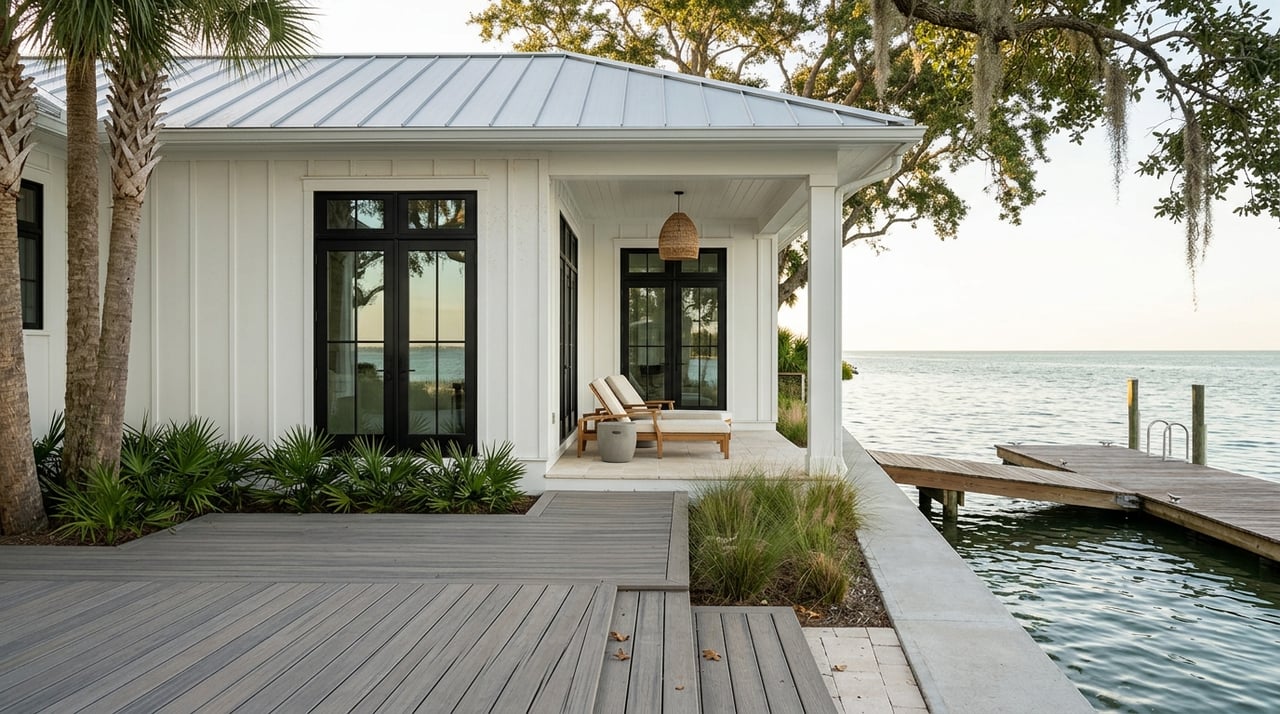
For coastal and waterfront homes, condition details matter even more. Buyers in Panama City may pay close attention to wear from moisture, storm exposure, roof history, and water-related features.
Handle Florida Disclosures Early
Seller disclosures are not a side task. In Florida, they are a major part of a well-run listing.
Florida disclosure guidance says sellers must disclose known facts that materially affect value and are not readily observable. The standard seller disclosure form also makes clear that it is not a warranty and does not replace a buyer’s inspection.
For Panama City homes, coastal and flood-related items deserve special attention. Florida’s seller disclosure form asks about water intrusion, flooding, whether the property is in a special flood hazard area, whether it is seaward of the coastal construction control line, roof leaks, seawalls or dockage, and elevation certificates. Florida’s flood-disclosure law also requires a flood disclosure at or before contract execution.
Paperwork That Can Affect Timing
- Seller property disclosures
- Flood-related disclosures
- HOA disclosure summary, if applicable
- Condo resale documents, if applicable
- Property tax disclosure
- Lead-based paint disclosure for homes built before 1978
If your home is in an HOA or condo association, document timing matters. Florida law requires specific disclosures before contract execution, and condo resales have document-delivery rules that can give buyers cancellation rights if the materials are not delivered correctly.
Launch With Coordinated Marketing
Once the home is ready and priced correctly, the launch should feel intentional. This is where presentation and timing come together.
Florida Realtors notes that many sellers want to know how buyers and other agents will learn the property is for sale, how cosmetic updates help, and how pricing affects demand. NAR also reports that buyers’ agents rank photos, traditional staging, video tours, and virtual tours among the most important listing elements.
For a boutique brokerage, this stage is about quality control. Instead of a rushed rollout, you benefit from a coordinated plan built around visuals, positioning, and targeted exposure.
A Strong Listing Launch Often Includes
- Professional photography
- Clear listing remarks
- Thoughtful staging or styling
- Video or virtual tour assets
- Social media promotion
- Agent-to-agent outreach
- Traditional marketing support
A measured launch can help you capture attention early, when buyer interest tends to be highest.
Manage Showings Without Losing Control
Showings can be stressful, especially when you are still living in the home. The process feels much easier when scheduling, access, and communication are handled carefully.
A tighter, more curated showing plan can support both privacy and efficiency. It can also reduce unnecessary traffic while still meeting the Florida requirement to present offers and counteroffers in a timely way.
You should know when showings are happening, what feedback is coming in, and whether recurring comments point to a needed adjustment. That kind of reporting helps you make decisions from facts instead of emotion.
Prepare for Offers and Negotiation
Receiving an offer is exciting, but it is not the finish line. The terms matter just as much as the price.
Florida Realtors’ transaction infographic notes that purchase terms often include contingencies for inspections, appraisal, and attorney review, along with an earnest-money deposit held in escrow. That means your accepted contract may still have several checkpoints before closing is certain.
Terms Sellers Should Review Closely
- Offer price
- Financing type
- Inspection contingencies
- Appraisal contingency
- Closing timeline
- Earnest-money deposit
- Requested credits or repairs
A strong strategy helps you compare the full picture. Sometimes the best offer is the one most likely to close with fewer delays or surprises.
Move Through Inspection and Appraisal Calmly
After you accept an offer, the next phase often feels more technical. Buyers may schedule inspections, lenders may order an appraisal, and questions may come up about repairs, value, or documentation.
This is where steady communication matters. If concerns arise, you want a clear explanation of your options and a practical plan for responding.
For older homes, waterfront properties, or homes with special features like docks or seawalls, it helps to be prepared for more detailed review. Staying organized early can make these negotiations much easier.
Know What Happens Before Closing Day
As closing approaches, several final pieces come together. The closing agent confirms the seller’s right to sell and checks for items such as restrictive covenants.
Florida Realtors’ transaction infographic also notes that the buyer typically completes a final walk-through one to two days before closing. Then both parties sign documents and the sale is completed.
In Bay County, the deed must be recordable through the Bay County Clerk’s Official Records. Florida documentary stamp tax also applies to deeds in Bay County at 70 cents per $100 of consideration, and the Florida Department of Revenue says all parties to the deed are liable even if one side agrees to pay.
A Smoother Sale Comes From Fewer Surprises
From your first decision to your closing signature, a well-managed sale is really about reducing friction. Clear pricing, thoughtful prep, careful disclosure, controlled showings, and steady follow-through all work together to protect both your experience and your result.
In a market like Panama City, that kind of care matters. When your sale is handled with strategy and attention to detail, you are in a much better position to move forward with confidence.
If you are thinking about listing your Panama City home and want a calm, well-planned approach, Gillman Group Realty offers the kind of boutique guidance that helps you move from decision to closing with clarity and care.
FAQs
What is the first step to listing a home in Panama City?
- The first step is creating a selling plan with your agent that covers pricing, timing, home prep, paperwork, and how you want communication handled throughout the process.
How should a Panama City seller price a home?
- A Panama City seller should start with comparable sales, then adjust for condition, upgrades, property type, location, and current competition rather than relying on memory or an aspirational number.
What disclosures are required when selling a home in Florida?
- Florida sellers must disclose known facts that materially affect value and are not readily observable, and many Panama City sellers also need to address flood, water intrusion, roof, HOA, condo, tax, or lead-based paint disclosures depending on the property.
Why does home prep matter before listing in Panama City?
- Home prep matters because buyers often form their first impression online, and strong cleaning, repairs, staging, and photography can improve how quickly your home attracts attention.
What happens after a seller accepts an offer in Florida?
- After a seller accepts an offer, the transaction often moves through escrow, inspections, appraisal, document review, final walk-through, signing, and deed recording before the sale is complete.
What closing costs should a Panama City seller expect?
- One important Bay County closing item is Florida documentary stamp tax on deeds, which applies at 70 cents per $100 of consideration in Bay County, though your closing team can explain how the final closing figures are allocated in your transaction.