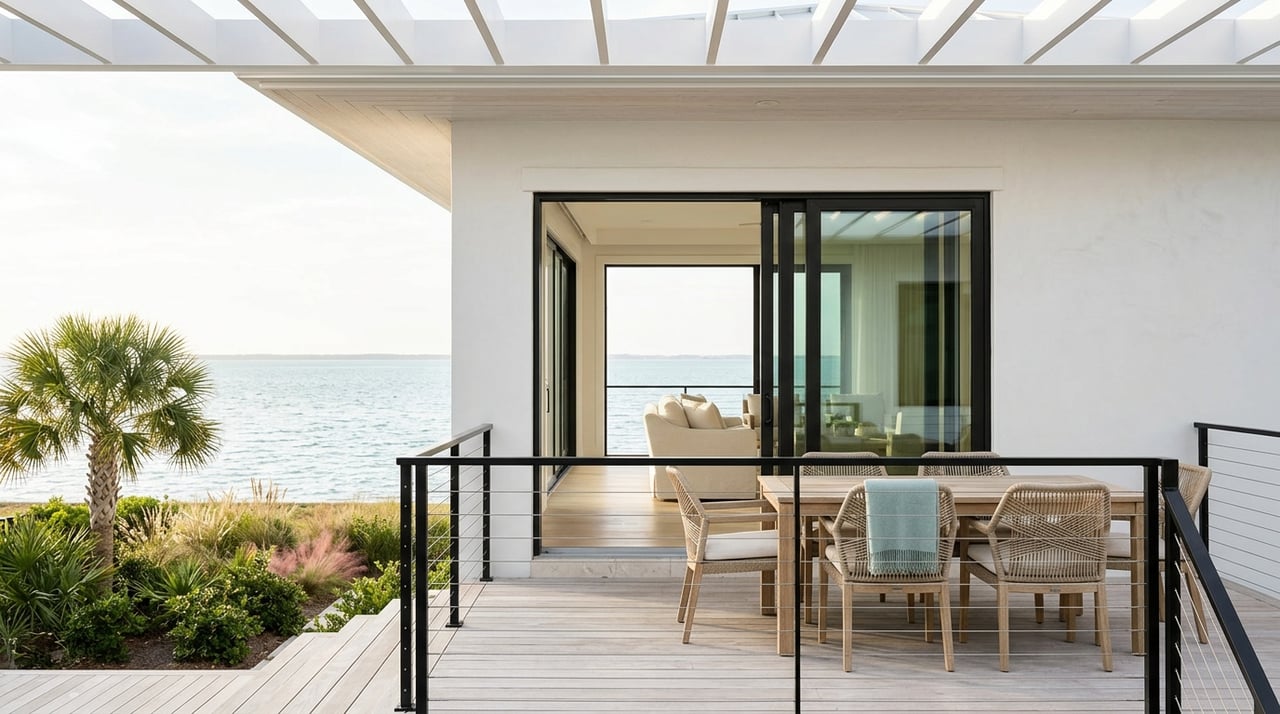
If your idea of waterfront living is less about a high-rise beach strip and more about a bayfront lifestyle you can actually use every day, Panama City deserves a closer look. Along St. Andrews Bay, you get a different kind of coastal experience, one shaped by marinas, parks, boating access, and historic neighborhood character. If you are comparing locations or thinking about a move, this guide will help you understand what waterfront living in Panama City really looks like and what to consider before you buy. Let’s dive in.
Why St. Andrews Bay Feels Different
Panama City’s waterfront identity is tied to St. Andrews Bay, not a long Gulf-front beach corridor. The city highlights its setting on the shores of St. Andrews Bay, with public marinas, boat ramps, and waterfront parks woven into daily life.
That gives the city a lived-in coastal feel. Instead of centering everything around beach tourism, Panama City connects its waterfront to downtown activity, neighborhood life, and public gathering spaces.
Everyday Life on the Bay
For many buyers, the biggest appeal is simple: getting to the water is part of normal life. Panama City has two public marinas, St. Andrews Marina and Downtown Marina, and both serve as access points to the bay and beyond.
The city also lists public boat ramps at St. Andrews Marina, Downtown Panama City Marina, Carl Gray Park, Snug Harbor Boat Ramp, and Bob George Park. That kind of public access supports a lifestyle built around boating, fishing, and time outdoors, even if your property itself is not directly on the water.
Paddle sports are part of the picture too. The broader bay area is known for kayaking and stand-up paddleboarding around calm-water locations such as St. Andrews Bay and Grand Lagoon, which adds another layer to the local waterfront experience.
Waterfront Parks Add Daily Value
One reason bayfront living here feels approachable is the number of public waterfront spaces. Parks and access points give you places to walk, fish, launch a boat, or simply sit by the water.
Oaks by the Bay Park is a strong example of that local rhythm. Florida DEP notes the bay system’s ecological importance, and the park’s boardwalk, gazebo, and observation platform reflect the quieter side of waterfront living, where sunsets, sailboats, and a short stroll can be part of your weekly routine.
Millville Waterfront Park also adds to the mix with water access features and a community-oriented setting. In Panama City, waterfront living often means easy, repeatable access to the bay rather than relying on one private amenity.
What Homes Near the Bay Are Like
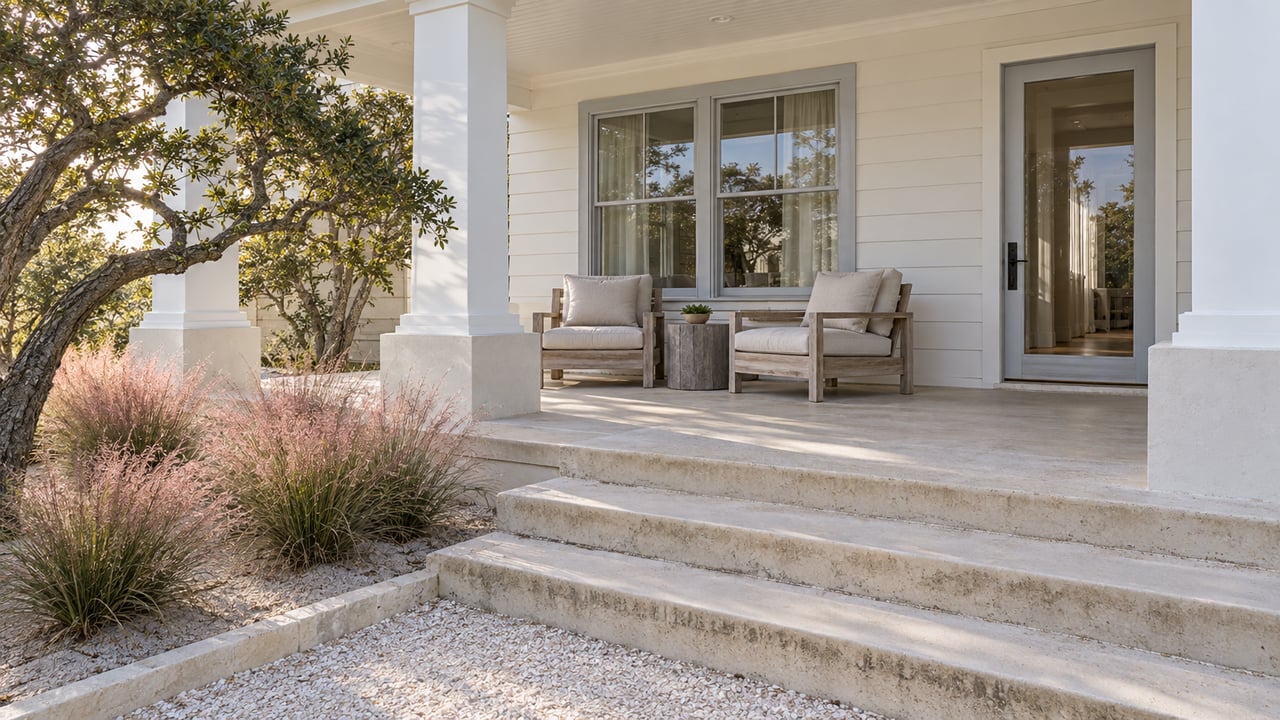
If you are expecting a skyline of beachfront towers, Panama City may surprise you. The St. Andrews waterfront core has a more historic and low-rise character than a resort-style beach market.
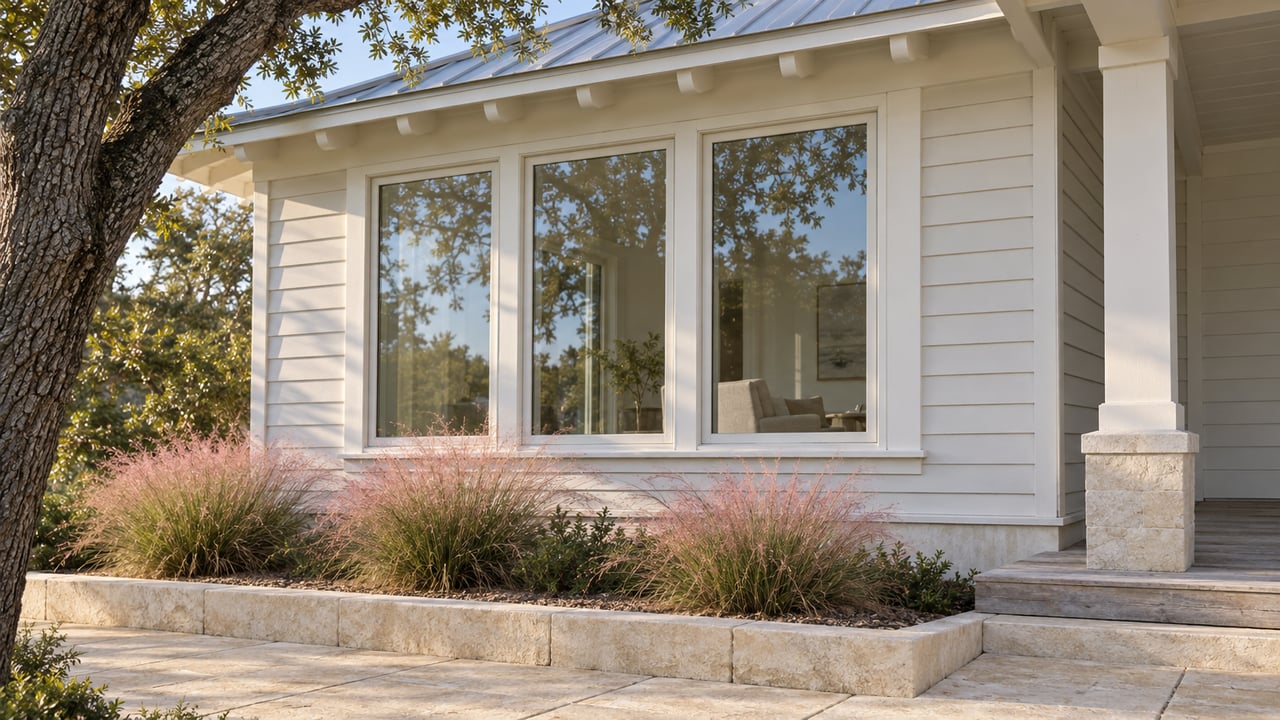
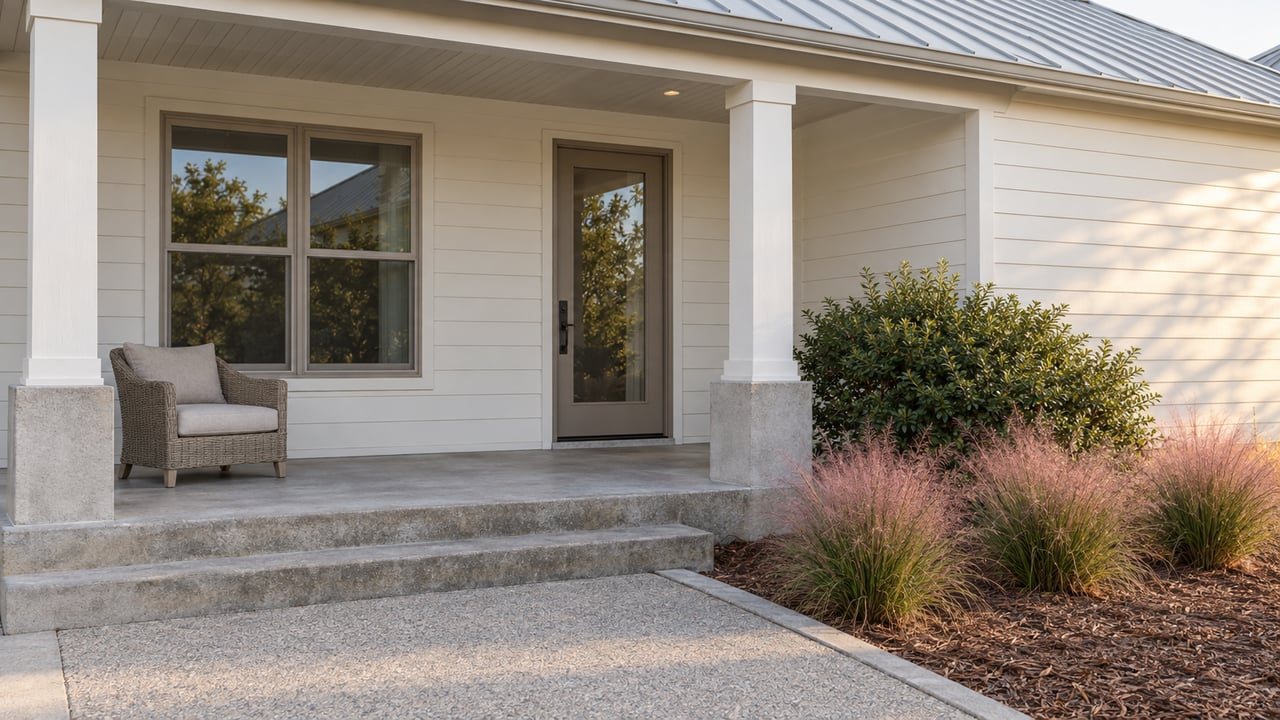
City design standards describe the area as a waterfront village with a pedestrian-oriented layout, 1- to 3-story clapboard buildings, and a boardwalk. Nearby residential areas are described as compact neighborhoods with many 1- to 2-story homes, including older houses from the late 1800s and early 1900s.
That creates a very different buyer experience. Around the bay, you are more likely to find a mix of detached homes in established neighborhoods, low-rise historic buildings near the waterfront core, and parcels near marina areas rather than a large high-rise beachfront environment.
Character Matters as Much as Water Access
In Panama City, the value of waterfront living is often about access plus character. The city’s planning guidance points to a traditional grid town layout and a Main Street structure, which helps explain why this area feels different from nearby coastal options.
For you as a buyer, that can mean a more connected neighborhood environment. You may be choosing not just a view, but also walkability near waterfront districts, local gathering spaces, and a bayfront setting that feels active without being overly resort-oriented.
Public Investment Supports the Waterfront
Another important part of the story is that Panama City continues to invest in its waterfront areas. City planning and redevelopment materials show a continued focus on downtown revitalization, marina areas, and preserving the city’s connection to the bay.
That does not guarantee any one property outcome, but it does give useful context. When a city keeps improving public access and waterfront character, it can strengthen the everyday appeal of living near the bay.
Practical Issues to Think About Before Buying
Waterfront ownership can be rewarding, but it also comes with added planning. In Bay County, flood risk is one of the first issues to understand.
The county states that the area is highly prone to flood hazards from hurricanes, tropical storms, and heavy rainfall. It also notes that standard property insurance does not cover flood damage, and Florida law requires sellers of residential real property to provide a flood disclosure at or before contract execution.
For you, that means flood questions should come up early, not late. You will want to understand the property’s flood exposure, insurance implications, and how those costs fit your budget.
Docks, Seawalls, and Shoreline Work
If you are dreaming about adding a dock or improving an existing shoreline structure, it is important to know that waterfront improvements can involve more than a simple contractor estimate. Bay County states that new dock and seawall construction, as well as structural changes or repairs, trigger a permit.
Depending on the location and scope, shoreline work may also require engineering and state-level review. In coastal areas, these details matter because timing, cost, and approval requirements can shape what is realistic for a property.
The Bay’s Ecology Affects Ownership Too
St. Andrews Bay is not just scenic. It is also a sensitive coastal ecosystem.
Florida DEP says the St. Andrews Aquatic Preserve is a critical part of the bay system, and seagrass habitat supports water quality, fish and invertebrates, and shoreline stability. The agency also notes that propeller scarring in shallow water can take eight to ten years to repair.
That matters if you plan to boat regularly. Shallow-water navigation, anchoring habits, and even dock placement can affect how you use and care for your waterfront property.
Salt Air Means More Maintenance
Homes near the water also face different wear patterns than inland homes. Florida’s coastal environment can speed up corrosion on metal components, which often means more upkeep for exterior hardware and marina-related equipment.
This does not make bayfront ownership less appealing, but it should shape your expectations. A well-chosen waterfront home is not only about the view. It is also about understanding the maintenance rhythm that comes with coastal living.
Panama City vs. Panama City Beach
Many buyers compare Panama City with Panama City Beach, but they offer different coastal lifestyles. Panama City’s own planning guidance describes the city as not being a beach town, but rather a traditional grid town with a Main Street.
By contrast, Panama City Beach is defined by its Gulf shoreline and broad public beach access. Based on official local sources, the difference is clear: Panama City emphasizes marinas, bayfront parks, and downtown waterfront activity, while Panama City Beach centers more heavily on direct beach access and Gulf-oriented recreation.
If you want bay views, calmer-water boating, historic character, and a more urban neighborhood feel, Panama City may be the better fit. If you are looking for direct Gulf-beach living and a more resort-oriented setting, Panama City Beach may align better with your goals.
How to Decide if Bayfront Living Fits You
As you narrow your search, ask yourself what kind of water access matters most in daily life. Do you want quick marina access, bayfront parks, paddle sports, and a neighborhood setting with local character? Or are you focused on sand, surf, and a beachfront atmosphere?
That distinction can shape everything from your neighborhood choice to your budget and property type. In Panama City, the bayfront appeal is often strongest for buyers who want a coastal lifestyle that feels practical, connected, and rooted in the city itself.
Final Thoughts on Waterfront Living
Waterfront living in Panama City along St. Andrews Bay offers a calmer, more grounded version of coastal life. It blends boating access, public waterfront spaces, historic character, and a city layout that feels more like a working bay town than a resort strip.
If that sounds like your style, the next step is making sure the property matches the lifestyle you want and the practical realities that come with owning near the water. For thoughtful local guidance on waterfront homes, relocations, and coastal opportunities in Panama City, connect with Gillman Group Realty.
FAQs
What is waterfront living like in Panama City along St. Andrews Bay?
- Waterfront living in Panama City is centered on marinas, boat ramps, bayfront parks, boating, fishing, paddle sports, and everyday access to St. Andrews Bay rather than direct Gulf-front beach living.
What kinds of homes can you find near St. Andrews Bay in Panama City?
- Buyers are likely to find detached homes in older neighborhoods, low-rise historic buildings near the waterfront core, and marina-adjacent properties instead of a large high-rise beachfront inventory.
What should buyers know about flood risk for Panama City waterfront homes?
- Bay County says the area is highly prone to flooding from hurricanes, tropical storms, and heavy rainfall, and standard property insurance does not cover flood damage.
Do docks and seawalls in Panama City require permits?
- Yes. Bay County says new dock and seawall construction, along with structural changes or repairs, require permits.
How is Panama City different from Panama City Beach for waterfront buyers?
- Panama City offers a bay-focused lifestyle with marinas, parks, and historic neighborhood character, while Panama City Beach is more centered on Gulf beaches, beach access, and a resort-style setting.