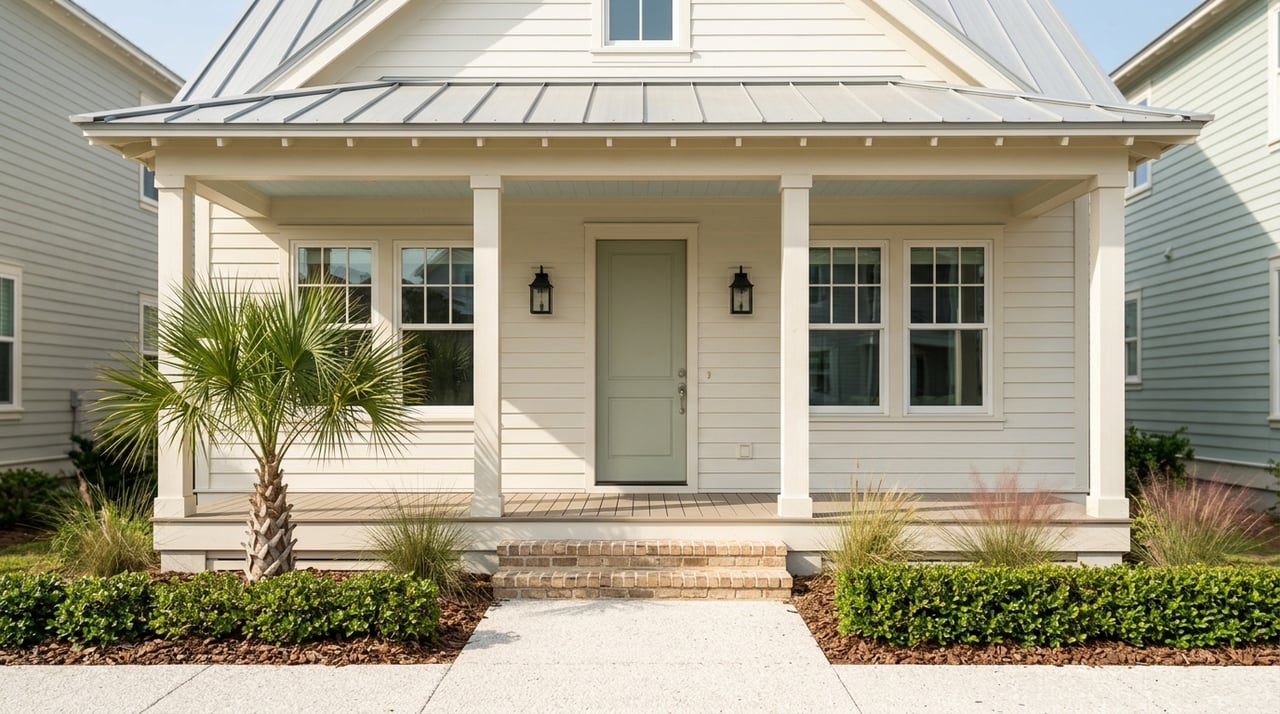
If you are getting ready to sell in Seaside, a standard beach-house approach is not enough. Buyers here are not just comparing square footage or finishes. They are also responding to how a home fits into Seaside’s walkable design, architectural character, and easy coastal lifestyle. With thoughtful preparation, you can present your home in a way that feels polished, credible, and true to the market. Let’s dive in.
Why Seaside selling is different
Seaside is not a generic coastal market. According to the town’s official overview, it was created as the world’s first New Urbanist town, with pedestrian brick roads, white-sand footpaths, front porches, native vegetation, and a Central Square within a five-minute walk of residences.
That matters when you sell. In Seaside, your home is part of a broader experience. Buyers are not only buying the structure itself. They are also buying the feeling of moving easily from porch to path to town center to beach.
The official town materials also describe Seaside as a 300-plus-home, year-round destination with restaurants, shops, and galleries. That means your listing should feel more like a curated lifestyle offering than a standard resale.
Start early and prep with purpose
In today’s market, preparation matters. In the broader 32459 area, Redfin reported a February 2026 median sale price of $1.06 million and an average of 136 days on market. The same market report notes that homes are not always moving quickly, which gives polished, well-prepared listings an important edge.
Broader Walton County conditions also support a thoughtful launch. Realtor.com’s market data, as cited in the report, described Walton County as a buyer’s market in February 2026, with homes selling about 3.06% below asking on average and a median of 96 days on market.
For timing, Zillow’s 2026 selling guidance says late May is the national sweet spot, while warm-weather markets like Florida may also get a winter boost. In Seaside, that suggests you may benefit from preparing early and aiming for a spring or early-summer launch instead of waiting until peak tourist activity.
Focus on improvements buyers notice
You do not always need a major remodel to improve your result. Florida Realtors reported that many sellers begin by contacting an agent, completing an inspection, and making practical improvements before listing.
The most common updates were light but visible. Sellers often repainted, updated fixtures, improved landscaping, and fixed issues that might come up during inspection. In a design-conscious market like Seaside, these details can shape how buyers judge the home from the start.
A smart prep plan often includes:
- Fresh paint in light, clean tones
- Working lights, hardware, and plumbing fixtures
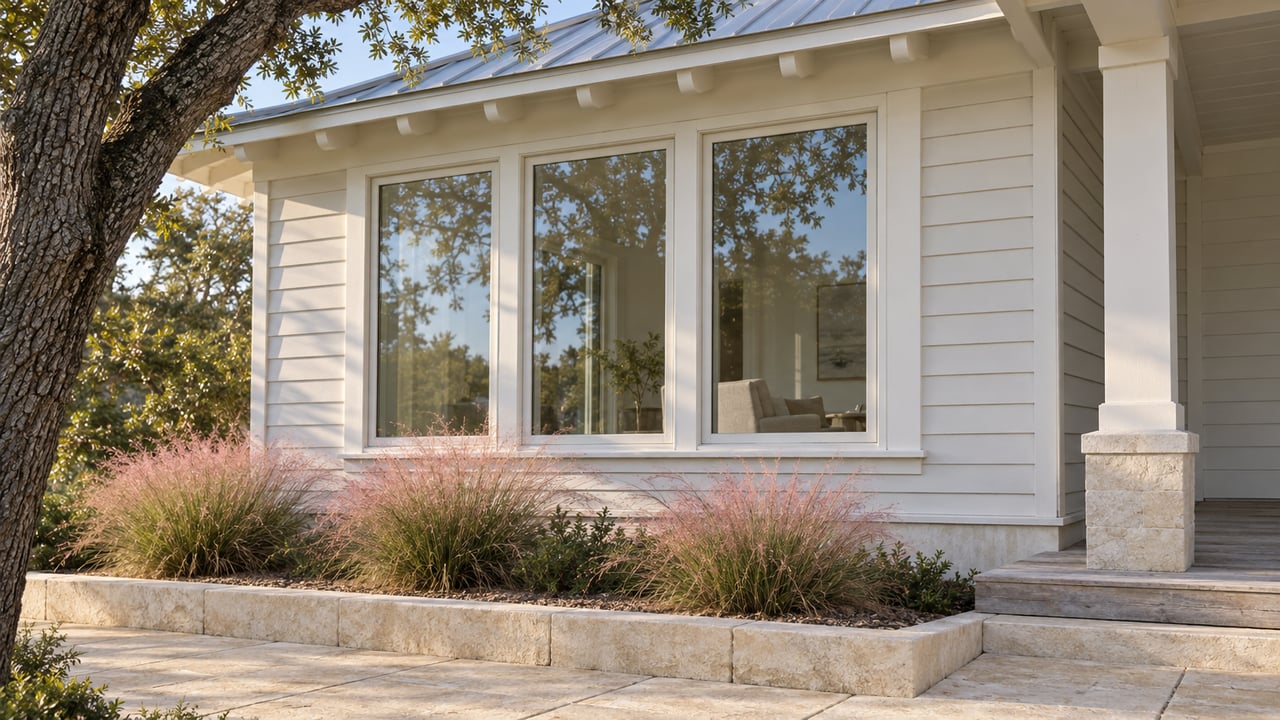
- Tidy, intentional landscaping
- Repairs for deferred maintenance
- Documentation for completed work
In many cases, these steps do more for buyer confidence than a costly renovation that does not strengthen the home’s core appeal.
Showcase the porch and outdoor flow
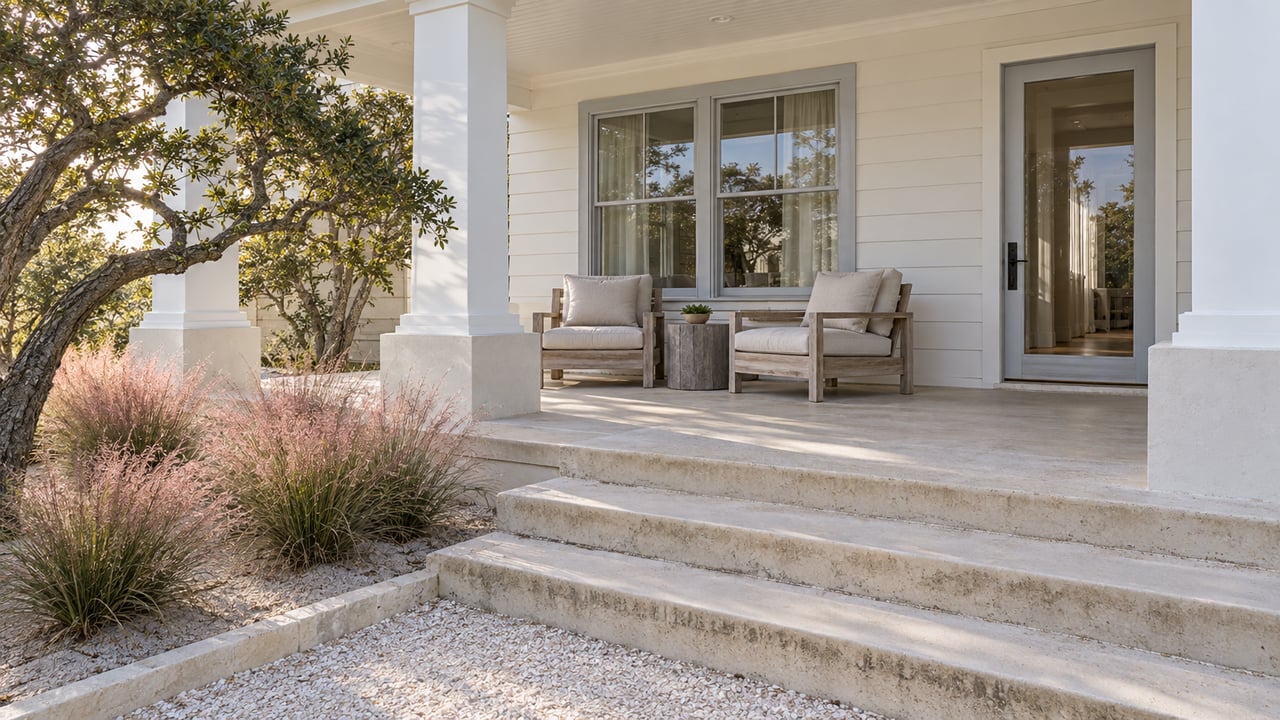
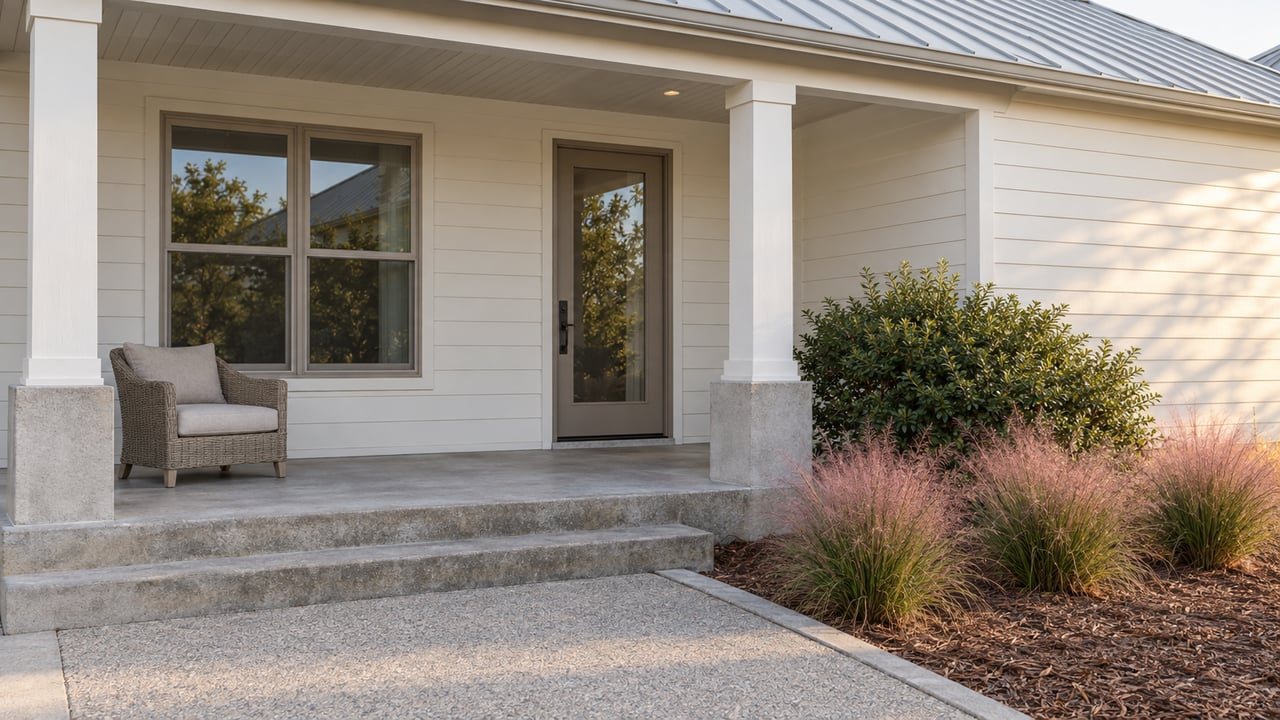
In Seaside, your exterior is not secondary. The town’s design language centers on front porches, native planting, brick walks, and outdoor community life, according to Seaside’s official site.
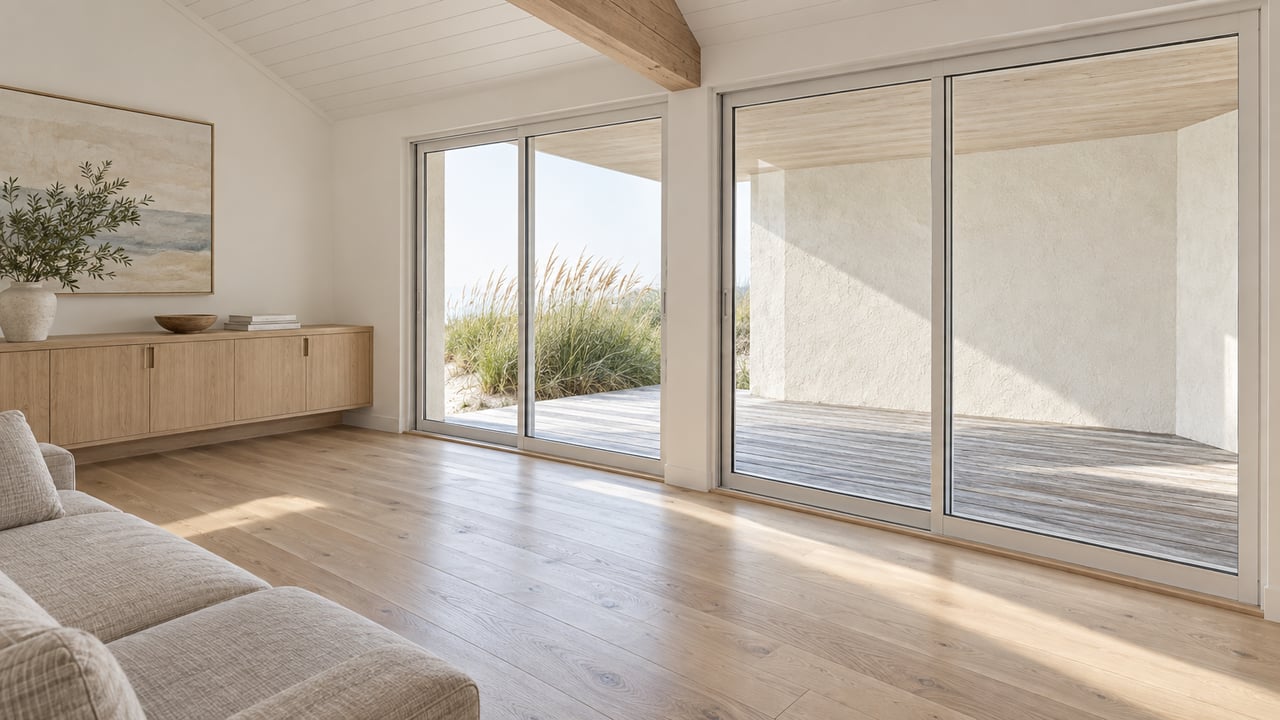
That means buyers will notice how your home meets the street, how the porch feels, and how easy it is to move from indoor to outdoor space. If you have a porch, courtyard, patio, or shaded seating area, treat it like an important living space rather than an afterthought.
Simple updates can go a long way here. Clean surfaces, fresh cushions, uncluttered styling, and healthy landscaping help buyers picture the home as part of the broader Seaside lifestyle.
Stage the rooms that matter most
Staging still has real influence on buyer perception. In the National Association of Realtors 2025 staging report, 60% of buyers’ agents said staging affects most buyers’ view of a home most of the time, and 83% said it makes it easier for buyers to visualize the property as a future home.
The same report found that 17% of buyers’ agents said staging can increase the dollar value offered by 1% to 5%. It also identified the living room as the top staging priority, followed by the primary bedroom and kitchen.
For Seaside homes, start with the spaces buyers will feel first and remember longest:
- Living room
- Primary bedroom
- Kitchen
- Dining area
- Porch or outdoor living space
- Entry sequence
The best styling choice is usually restrained and place-specific. Seaside’s homes are known for regional architecture and indigenous materials, so your goal is to reveal the home’s natural character, not cover it with overly themed beach decor.
Keep the look coastal but not generic
Seaside buyers are often drawn to design. Because of that, a home usually shows best when it feels light, calm, and authentic to its setting.
Think clean lines, natural textures, and a limited color palette. Remove overly personal items, busy decor, and anything that distracts from architectural details, natural light, or the home’s connection to the outdoors.
When in doubt, edit more. A polished, airy presentation tends to support the refined image buyers expect in Seaside.
Invest in strong photography and digital marketing
Your online presentation may shape the first showing decision. Zillow reports that 79% of recent buyers shopped online to find their home, and nearly half of buyers who purchased in the last 12 months said professional photos were extremely or very important to their experience.
Zillow also says 22 to 27 photos is the ideal range, and listings with fewer than nine photos are about 20% less likely to sell within 60 days. That makes image quality and completeness more than a nice extra. They are part of the selling strategy.
According to NAR’s online listing guidance, sellers should treat the online listing with the same care as an open house. That includes strong photos, video, virtual tours, floor plans, and clear information that helps buyers understand the property.
For a Seaside home, the image set should do more than show interior rooms. It should also help buyers understand how the home connects to the community. That may include:
- Front porch views
- Street frontage
- Brick or footpath access
- Landscaping and exterior details
- Outdoor gathering areas
- Twilight imagery, when appropriate
- Floor plans for layout clarity
NAR also notes that floor plans, neighborhood visuals, and drone imagery can reduce confusion and help online shoppers picture a property more completely. In a walkable coastal setting, that context can be especially useful.
Prepare your documents before you list
In a coastal market, presentation includes paperwork too. Florida’s flood disclosure requirements require sellers of residential property to provide a flood disclosure at or before contract execution, including whether they have filed flood-damage claims or received federal assistance.
Florida Realtors also notes that homeowners insurance generally does not cover flood damage, which means buyers may need separate flood coverage. Since flood history can be difficult for buyers to access before closing, organized seller records can make a meaningful difference.
Before your home goes live, gather what you can, such as:
- Flood-related records
- Insurance information
- Permits
- Repair receipts
- Maintenance records
- Storm-related upgrade documentation
A clean, organized packet supports transparency. It can also reduce friction once serious buyers begin asking detailed questions.
Price and launch with discipline
Even a beautiful home can lose momentum if it enters the market without a disciplined strategy. In a buyer-leaning environment, preparation and pricing work together.
That is especially true in Seaside, where buyers are often evaluating design, condition, and lifestyle value all at once. A strong launch should combine clear pricing logic, thoughtful home prep, and marketing that shows both the property and its place within the town.
When those pieces come together, your listing feels intentional from day one. That kind of presentation helps buyers trust what they are seeing and can set a better tone for the entire sale.
If you are preparing to sell in Seaside, thoughtful guidance can make the process feel far more manageable. Gillman Group Realty offers a polished, strategic approach built around presentation, timing, and careful execution so your home enters the market with confidence.
FAQs
How should you prepare a Seaside home before listing?
- Focus first on visible updates like fresh paint, working fixtures, tidy landscaping, and repairs that could raise inspection concerns.
Why does staging matter when selling a home in Seaside?
- Staging helps buyers visualize the home more easily, and key spaces like the living room, primary bedroom, kitchen, and porch can have an outsized impact.
What makes Seaside home marketing different from other coastal listings?
- Seaside marketing should highlight the home’s connection to walkability, front porches, paths, native landscaping, and the town’s distinct architectural character.
How many listing photos should a Seaside home include?
- Zillow says 22 to 27 photos is the ideal range, with professional images playing an important role in buyer interest.
What documents should sellers gather for a Seaside home sale?
- Sellers should organize flood-related records, insurance information, permits, repair receipts, maintenance records, and documentation for storm-related upgrades when available.
When is the best time to list a home in Seaside, Florida?
- Current guidance suggests preparing early and considering a spring or early-summer launch, while keeping in mind that Florida markets may also see winter interest.